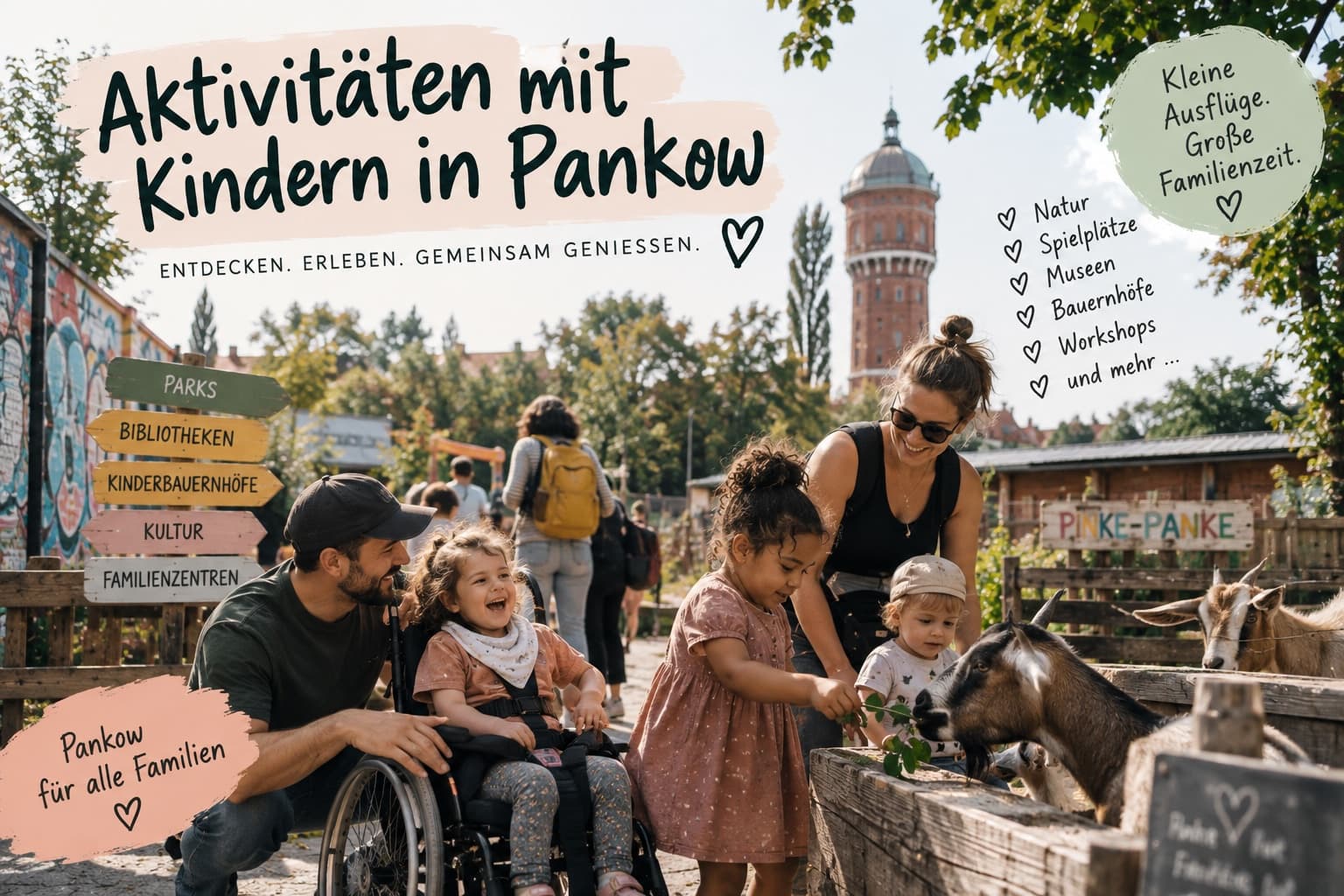
- Play ideas
Why regular activities are good for children
Note: This article contains affiliate links. If you buy something through a link, we may receive a small commission. There is no extra cost to you.
Looking for new places to visit and exciting events? Download the Unitee app and discover more!
Children do not need a big programme every day. Simple things are often enough: a trip to the playground, a children's class, an afternoon in the park, story time at the library or a shared outing at the weekend. Even so, regular activities can do children good on many levels — physically, socially, emotionally and in everyday family life too.
For parents in particular, it can be hard to find suitable activities in a busy week. Between nursery, school, work, housework and rest there is often little time to keep looking for new ideas. Yet activities do not have to be perfectly planned. What matters far more is that children regularly experience: there is something to discover, I am allowed to try things out, I meet other children, I move around and I gather new experiences.
1. Children discover the world through experience
Children do not only learn through explanations, but above all through their own experience. When they are out and about, see new places, touch materials, watch animals or meet other children, many small learning moments arise.
A trip to the park can be just as valuable as a museum visit. Children observe, ask questions, try things out and develop a better sense of their surroundings.
Regular activities help children expand their world step by step. They get to know new places, develop interests and notice what they enjoy.
2. Movement supports physical development
Many activities get children moving automatically: climbing, running, balancing, dancing, jumping, cycling or racing around the playground. Movement is important for strength, coordination, balance and body awareness.
In everyday life many children sit more than is good for them — at nursery, at school, in the car or at home. Regular movement creates a counterbalance and helps children release energy.
It does not always have to be a sports class. A walk, a playground visit, a lap on the balance bike or dancing in the living room can be just as valuable.
3. Activities build social skills
When children regularly take part in classes, play groups, family events or drop-in sessions, they meet other children. In doing so they learn to take turns, to share, to cope with conflict, to sense boundaries and to do something together.
Social experiences like these matter because children cannot learn them in theory. They need real situations: who gets to go down the slide first? How do I ask whether I can join in? What do I do if someone says no? What does it feel like to be part of a group?
Regular activities give children the chance to practise exactly that, again and again.
4. New experiences build confidence
Children gain confidence when they notice: I can manage something. That might be a small climbing frame, a craft project, a song in a music class, a first puzzle, a trip to the theatre or a new game.
Not every activity has to succeed straight away. Trying things out is exactly what matters. Children experience that they are allowed to learn, allowed to make mistakes and that they become more confident over time.
If a child is still shy at their first visit to a play group and joins in confidently a few weeks later, that is a big developmental step.
5. Regularity gives children a sense of orientation
Children like repetition and rituals. If there is a small family outing every Saturday or a children's class every Wednesday, a sense of reliability grows.
This regularity helps children feel secure. They know what to expect and can look forward to it. Especially in a daily routine shaped by many transitions, fixed activities can provide stability.
That does not mean every week has to be planned out. Small rituals are enough: the park on Sundays, the library on Fridays, a museum once a month or trying a new family event regularly.
6. Activities can bring parents and children closer
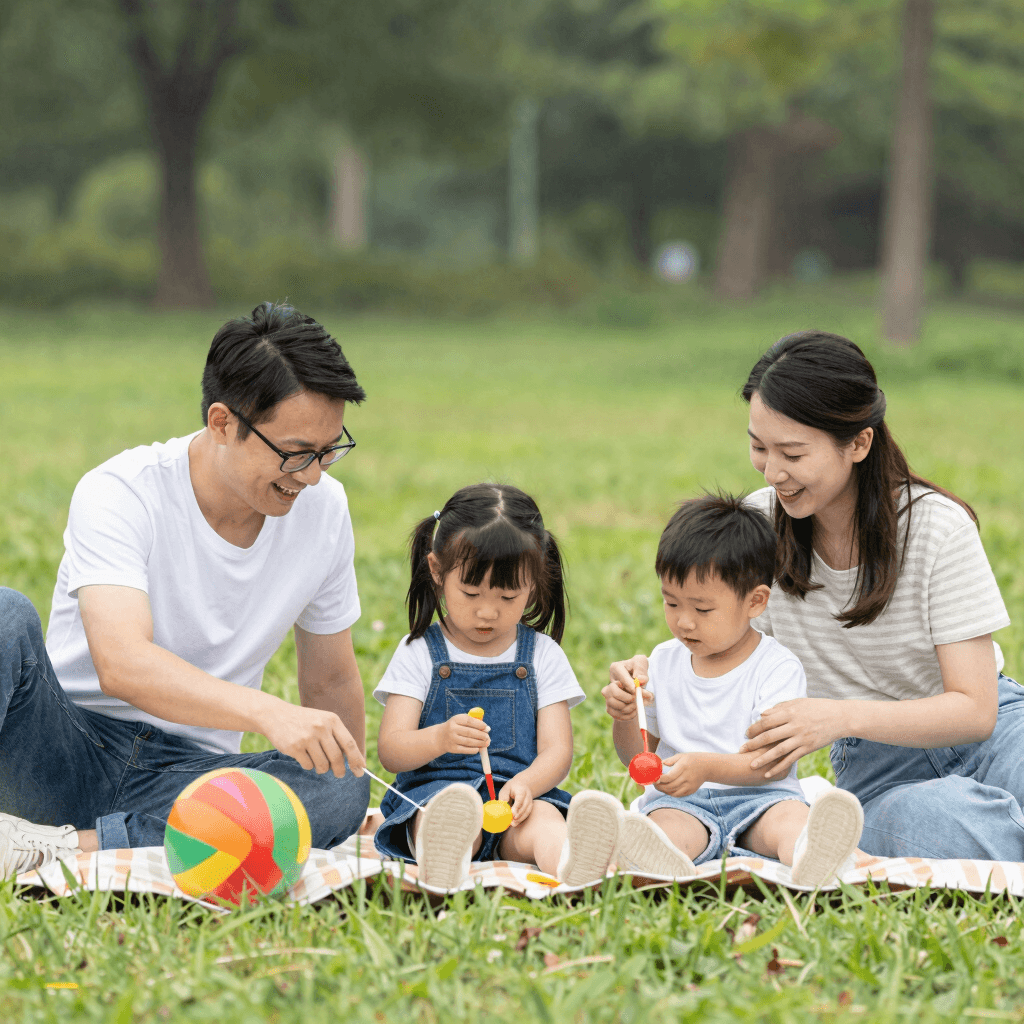
Shared activities create memories. A picnic in the park, a rainy day at the children's museum, a visit to the theatre or an afternoon at a city farm often stay in the memory longer than a perfectly organised routine.
For children, how special or expensive something was often does not count. What matters is that parents are present, listen, join in or simply spend time together.
Weekends in particular can be a good opportunity to interrupt the routine briefly and experience something different as a family.
7. Children develop their own interests
Some children love animals, others music, movement, crafts, books, technology, theatre or nature. Regular activities help parents find out what their child is really interested in.
It does not have to be a long-term course straight away. It is often enough to try different things:
a visit to the natural history museum
a drop-in craft workshop
a children's concert
a sports session
a story hour
a family outing to the woods
a play for children
Over time it becomes clear which topics a child keeps finding exciting.
8. Activities do not have to be expensive
When they think of regular activities, many parents immediately picture courses, admission fees or elaborate outings. Yet there are many simple and affordable options.
Free or low-cost ideas include:
playground visits
libraries
parks
family centres
local neighbourhood programmes
city farms
free museum offers
drop-in play groups
walks with a small treasure hunt
crafting at home
What matters is not the price but the experience. Even simple activities can give children a lot.
9. Too much programme can be stressful too
Regular activities are valuable — but children need breaks just as much. A full weekly schedule of nursery, school, classes, playdates and outings can quickly become too much.
That is why balance matters. Good activities should do children good, not create additional pressure. Sometimes a quiet afternoon at home is exactly the right thing.
A helpful rule of thumb can be:
activity + break + free play
Children need both: stimulation and calm. New impressions and time to process them.
10. Finding suitable activities is often the hardest part
Plenty of lovely options for families already exist — but they are often spread across many different websites, event pages, family centres, museums, clubs or social media posts. For parents that means a lot of searching, a lot of tabs and a lot of information.
This is exactly where an app like Unitee can help. The idea behind it is to make family events, classes and activities for children easier to find in one place. That way parents can see more quickly what is happening nearby and decide more easily what suits their family's age range, interests and everyday life.
Conclusion: regular activities give children room to grow
Regular activities help children move, discover new things, gather social experiences and build confidence. They create structure, encourage interests and strengthen shared family time.
It does not always have to be a big event. A playground visit, a story hour, a walk, a children's class or a weekend outing can be enough.
What counts is not doing as much as possible, but finding suitable activities that children enjoy and that fit well into family life.
Unitee wants to help parents discover exactly these kinds of offers more easily — so families spend less time searching and more time experiencing things together.
Discover even more with Unitee
Looking for new places to visit and exciting events? Download the Unitee app and discover more!